Ensuring Water Safety with Minerals and Lab Equipment
THE ROLE OF MINERALS IN SAFE DRINKING WATER
Clean drinking water is essential for human health, and minerals play a crucial role in maintaining its quality. Naturally occurring elements such as calcium, magnesium, and potassium contribute to the taste and nutritional value of water. However, maintaining the right balance is important, as excessive or insufficient mineral content can impact both safety and usability. Modern water treatment systems are designed to regulate mineral levels effectively, ensuring that the water remains safe, palatable, and beneficial for daily consumption across households and industries.
UNDERSTANDING MINERAL QUALITY STANDARDS
Mineral quality is governed by strict safety standards to ensure that water is suitable for human consumption. Regulatory bodies define acceptable limits for different minerals, preventing contamination and health risks. Water processing facilities must adhere to these standards by using purification and filtration systems that remove harmful substances while retaining essential nutrients. This balance ensures that water not only meets safety guidelines but also maintains its natural properties, making it ideal for both drinking and commercial use in food-related industries.
IMPORTANCE OF FOOD GRADE APPLICATIONS
In industries related to food and beverages, maintaining purity is non-negotiable. The use of Food grade minerals ensures that the water used in production processes is safe and free from harmful contaminants. These minerals are specifically processed to meet hygiene and safety standards, making them suitable for consumption and manufacturing. Their inclusion supports consistent product quality and enhances safety protocols. Industries rely on these standards to build trust with consumers while complying with regulatory requirements and maintaining high levels of operational efficiency.
LAB TESTING AND QUALITY CONTROL MEASURES
Testing plays a vital role in maintaining water quality across all stages of production. Laboratories are equipped with advanced tools that analyze mineral content, detect impurities, and verify compliance with safety standards. Regular testing ensures that any deviations are identified and corrected promptly. This process helps maintain consistency and prevents potential health risks. Accurate testing not only safeguards consumers but also strengthens the credibility of water processing facilities, ensuring they meet both regulatory and industry expectations without compromise.
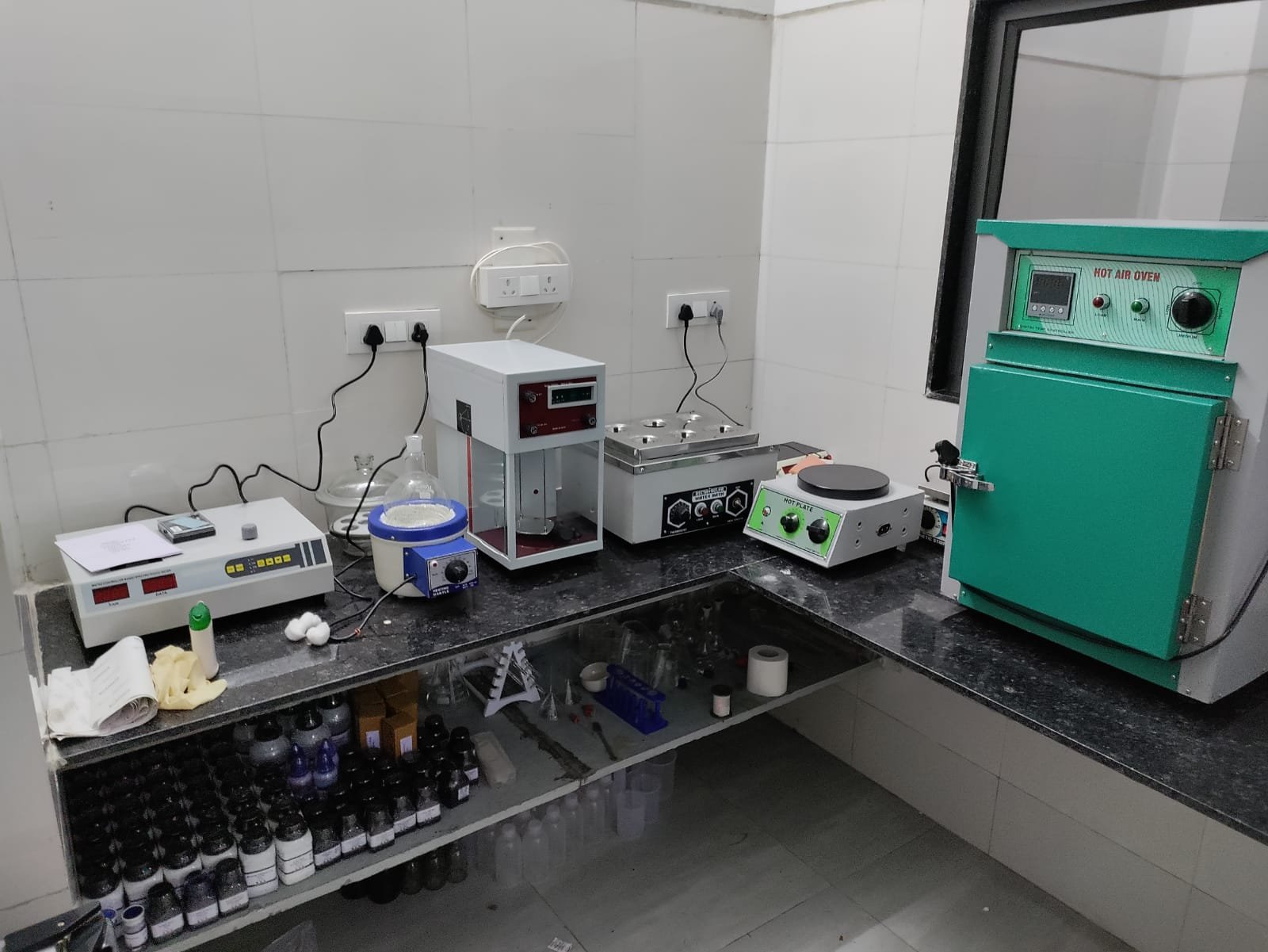
EQUIPMENT USED IN WATER TESTING FACILITIES
Reliable testing depends on precision instruments that deliver accurate results. Facilities use Mineral Water Plant Lab Equipment to monitor parameters such as pH levels, turbidity, and mineral composition. These tools are essential for identifying contaminants and ensuring that water meets quality benchmarks. From spectrophotometers to conductivity meters, each piece of equipment contributes to maintaining consistency in water production. Proper use and maintenance of these instruments are critical for achieving dependable results and ensuring that every batch of water meets safety requirements.
MAINTAINING CONSISTENCY IN WATER PROCESSING
Consistency is key in water processing, especially when it comes to mineral balance and safety standards. Facilities must implement strict monitoring systems and regular inspections to ensure uniform quality. This includes maintaining equipment, calibrating instruments, and training personnel to follow best practices. By doing so, water producers can avoid fluctuations in quality and ensure that consumers receive safe and reliable products. Consistent processes also reduce the risk of contamination, supporting long-term operational stability and consumer trust.
CONCLUSION
The integration of proper mineral management and advanced testing systems is essential for ensuring safe drinking water. By using Food grade minerals and reliable Mineral Water Plant Lab Equipment, industries can maintain high standards of quality and safety. These practices not only protect consumer health but also support sustainable and efficient water production systems for the future.

Comments
Post a Comment