Ensuring Quality and Safety in Modern Water Processing Systems
THE IMPORTANCE OF QUALITY STANDARDS IN WATER PROCESSING
Water processing has become an essential part of modern infrastructure, especially in industries focused on health and consumption. Maintaining high-quality standards ensures that water is safe, clean, and suitable for human use. From purification to packaging, each step requires careful monitoring and precision. The growing demand for clean drinking water has made it necessary for businesses to adopt reliable systems and testing procedures. This is where scientific methods and advanced tools play a critical role in maintaining consistency and ensuring that water meets required safety regulations without compromise.
ROLE OF SCIENTIFIC ANALYSIS IN WATER SAFETY
Scientific analysis is the backbone of any efficient water treatment system. Laboratories are responsible for checking parameters such as pH level, mineral composition, and microbial content. These tests help in identifying impurities and ensuring that corrective measures are applied in time. Without proper analysis, even treated water may fail to meet safety standards. Regular testing not only protects consumers but also helps manufacturers maintain credibility. As regulations become stricter, the need for precise and reliable laboratory testing continues to grow, making it a crucial aspect of the water processing industry.
UNDERSTANDING THE VALUE OF FOOD GRADE COMPONENTS
In water treatment, the use of safe and approved substances is essential to maintain purity and health standards. One important aspect is the use of Food grade minerals which are carefully processed to ensure they are safe for human consumption. These minerals are added to enhance the taste and nutritional value of water without introducing harmful elements. Their composition is strictly regulated, ensuring that they meet safety guidelines. Using such high-quality components helps in maintaining both the safety and the overall quality of the final product, making it suitable for daily consumption.
EQUIPMENT USED IN MODERN WATER TESTING LABS
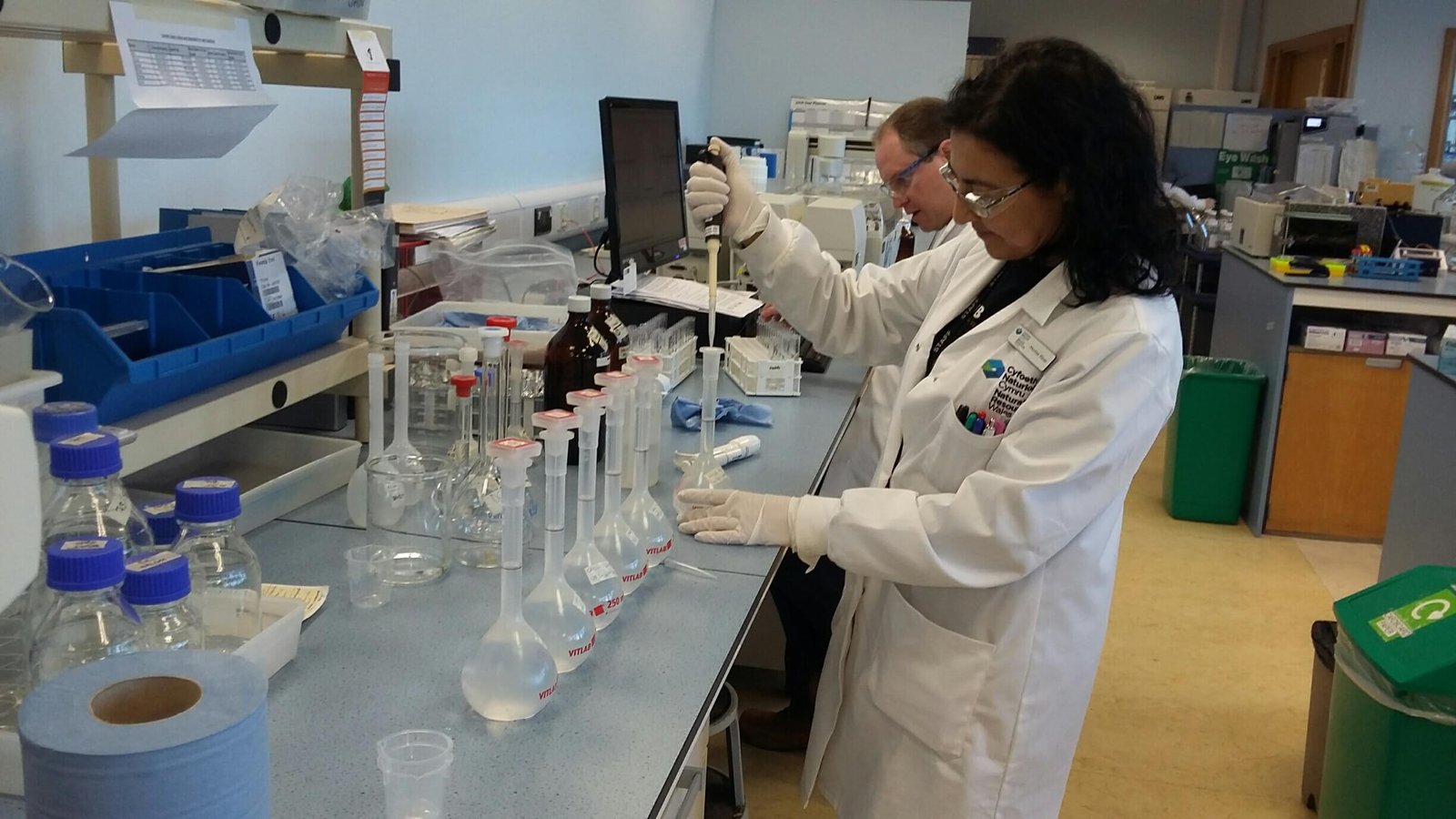
Laboratories involved in water processing rely on a wide range of advanced tools to ensure accurate testing results. Equipment such as spectrophotometers, conductivity meters, and microbiological testing devices are commonly used. The efficiency of these tools directly impacts the reliability of the results. High-quality Mineral Water Plant Lab Equipment ensures that every test is conducted with precision, reducing the chances of error. These instruments are designed to detect even the smallest impurities, helping maintain strict quality control throughout the production process and ensuring that the water remains safe for consumption.
THE CONNECTION BETWEEN TECHNOLOGY AND WATER PURITY
Technology has transformed the way water is processed and tested. Automated systems now allow for continuous monitoring, reducing human error and improving efficiency. Digital sensors and real-time data tracking provide instant feedback, enabling quick adjustments when necessary. This integration of technology ensures that every stage of water treatment is closely monitored. As a result, manufacturers can maintain consistent quality and meet regulatory standards more effectively. The combination of advanced equipment and smart technology plays a key role in delivering clean and safe drinking water to consumers.
CHALLENGES IN MAINTAINING CONSISTENT WATER QUALITY
Despite advancements, maintaining consistent water quality remains a challenge. Variations in source water, environmental changes, and equipment maintenance can all affect the final output. Regular calibration of instruments and strict adherence to testing protocols are necessary to overcome these challenges. Skilled professionals are also required to interpret results and take corrective actions when needed. Addressing these challenges requires a combination of proper training, reliable equipment, and a commitment to quality. Only then can water processing systems consistently deliver safe and high-quality water.
CONCLUSION: BUILDING TRUST THROUGH QUALITY CONTROL
Ensuring safe and clean drinking water is a responsibility that requires precision, dedication, and the right resources. By using safe components like Food grade minerals and reliable Mineral Water Plant Lab Equipment, industries can maintain high standards and build trust among consumers. Continuous monitoring, advanced technology, and strict quality control measures are essential for long-term success. As the demand for clean water continues to rise, focusing on quality and safety will remain the key to sustainable and effective water processing systems.
Comments
Post a Comment