Designing an Efficient Mineral Water Lab Setup Guide
UNDERSTANDING THE IMPORTANCE OF A WATER TESTING LAB
A well-planned laboratory plays a vital role in ensuring the safety and quality of packaged drinking water. It acts as the backbone of any mineral water production unit by verifying that the water meets health and regulatory standards. From detecting contaminants to monitoring mineral balance, every process relies on accurate testing. Without a proper lab setup, maintaining consistency becomes difficult. A thoughtfully designed testing environment helps avoid risks, improves product reliability, and builds trust among consumers who expect purity in every drop.
ESSENTIAL EQUIPMENT AND INFRASTRUCTURE REQUIREMENTS
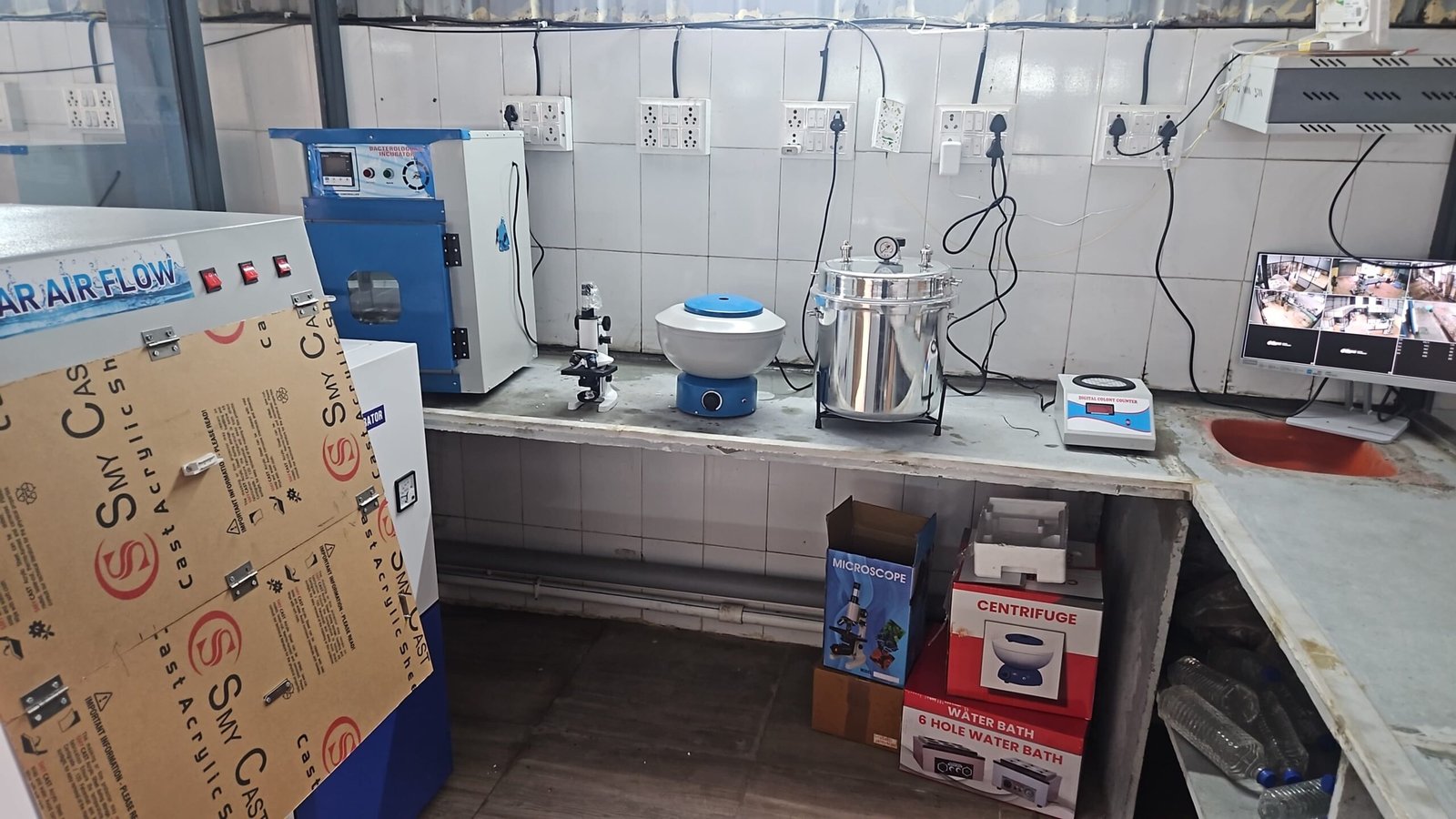
Setting up a laboratory requires careful selection of equipment and proper infrastructure. Basic tools include pH meters, conductivity meters, turbidity meters, and microbiological testing kits. The lab must have clean workspaces, proper ventilation, and controlled temperature conditions to maintain accuracy in testing. Water storage containers and sterilization equipment also play a key role. Along with instruments, trained personnel are equally important. Their expertise ensures that all tests are conducted correctly and consistently, which directly impacts the quality of the final product.
QUALITY STANDARDS AND TESTING PARAMETERS
Maintaining quality in mineral water involves testing multiple parameters regularly. Chemical properties such as pH level, total dissolved solids, and hardness must be monitored carefully. Microbiological tests are equally important to ensure the absence of harmful bacteria. A well-organized Laboratory Setup For Mineral Water Plant helps streamline these processes and ensures that every batch is tested efficiently. Following strict testing protocols not only ensures compliance with regulations but also guarantees that consumers receive safe and clean drinking water every time.
LAYOUT PLANNING FOR BETTER WORKFLOW EFFICIENCY
The layout of a laboratory significantly influences its efficiency. A well-structured design separates chemical testing, microbiological analysis, and storage areas to prevent cross-contamination. Adequate spacing between equipment allows technicians to work comfortably and safely. Proper labeling and organization further enhance productivity. Lighting and cleanliness also play a critical role in maintaining accuracy. When everything is arranged systematically, it reduces errors and speeds up testing processes, allowing the plant to operate smoothly without unnecessary delays or complications.
ROLE OF HYGIENE AND SAFETY IN LAB OPERATIONS
Hygiene is a crucial aspect of any laboratory dealing with drinking water. Maintaining a sterile environment ensures that test results remain accurate and uncontaminated. Staff should follow strict cleanliness protocols, including wearing protective gear and sanitizing equipment regularly. Safety measures such as proper chemical storage and waste disposal are equally important. A well-managed Mineral Water Laboratory Setup emphasizes both hygiene and safety, creating a controlled environment where testing can be carried out without risks to personnel or product quality.
TRAINING AND MAINTENANCE FOR LONG-TERM SUCCESS
Even the best laboratory setup requires regular maintenance and skilled operation to function effectively. Equipment must be calibrated periodically to ensure accurate readings. Staff training programs help technicians stay updated with testing methods and safety practices. Routine inspections and preventive maintenance reduce the chances of breakdowns. Investing in continuous improvement not only enhances lab performance but also supports the overall efficiency of the mineral water plant, ensuring consistent quality over time.
CONCLUSION
A properly designed laboratory is essential for maintaining the quality and safety of mineral water production. From selecting the right equipment to ensuring hygiene and efficient workflow, every element contributes to reliable testing. A strong Laboratory Setup For Mineral Water Plant combined with a well-organized Mineral Water Laboratory Setup creates a foundation for consistent quality control. By focusing on proper planning, regular maintenance, and skilled operation, manufacturers can deliver safe and high-quality water that meets both regulatory standards and consumer expectations.

Comments
Post a Comment